
What Is Morocco Known For? 10 Signature Morocco Experiences You Can’t Miss in 2026
Planning a trip to Morocco and wondering what makes it so special? From the golden dunes of the Sahara to the blue-painted streets of Chefchaouen, from ancient UNESCO-listed medinas to snow-capped Atlas Mountain peaks — Morocco is one of the world’s most captivating and diverse travel destinations. In a single journey, you can ride camels at sunset, sleep under a canopy of Saharan stars, wander through 1,000-year-old souks, sip mint tea with a Berber family, and soak in a centuries-old hammam.
This complete guide reveals the 10 signature Morocco experiences every traveler should know about — and exactly why this extraordinary North African kingdom deserves a place at the very top of your bucket list.
What Is Morocco Known For? Top 10 Experiences at a Glance
1. Camel Trekking in the Sahara Desert
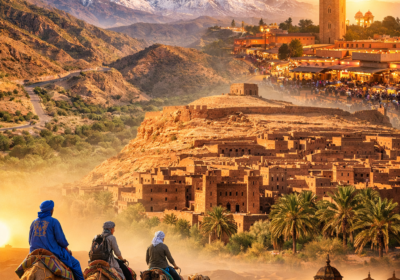
No experience defines Morocco more completely than a camel trek across the Sahara Desert. Riding through the towering golden dunes of Erg Chebbi near Merzouga or the remote wilderness of Erg Chigaga near M’Hamid, you connect with a timeless desert tradition that has defined Moroccan life for centuries.
Most camel treks last between 1 and 3 hours depending on your chosen route — with sunrise and sunset departures being the most magical and popular. As your camel caravan winds single-file across the dunes, your Berber guide shares stories of desert navigation, desert wildlife, and the nomadic traditions passed down through generations.
Best times for camel trekking:
- Sunrise — cool temperatures and extraordinary soft golden light
- Sunset — dramatic colors and comfortable afternoon warmth
- Avoid midday — extreme heat makes trekking uncomfortable in any season
Read our complete guide to camel rides in Morocco for everything you need to know before you go. For the ultimate desert experience, explore our Merzouga desert tours and Erg Chigaga desert tours.
2. Overnight Stay in a Traditional Berber Desert Camp
Sleeping under a sky full of stars in the heart of the Moroccan Sahara is one of the most magical and memorable experiences on earth. Traditional Berber desert camps combine authentic hospitality with the profound silence and beauty of the desert — a combination that stays with travelers long after they return home.
Luxury desert camps offer private ensuite tents with real beds, hot running water, electricity, and gourmet Moroccan dinners served under the stars. Traditional Berber-style camps prioritize cultural authenticity with woven-rug interiors, communal campfire gatherings, tagines cooked over open fire, and live Gnawa drumming and music deep into the night.
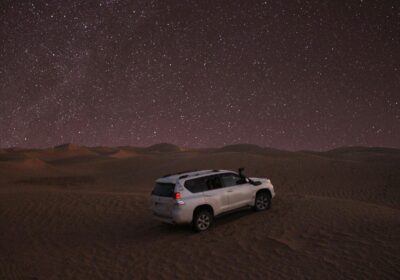
The absence of light pollution at both Erg Chebbi and Erg Chigaga reveals thousands of stars invisible from any city — including the full sweep of the Milky Way galaxy with breathtaking clarity. Morning brings a spectacular Sahara sunrise before the camel trek back to civilization.
View our desert camp experiences at Merzouga and Erg Chigaga overnight camps for full details and booking.
3. Exploring Ancient Medinas and Vibrant Souks
Morocco’s ancient medinas are living, breathing museums — UNESCO World Heritage Sites where centuries of Islamic architecture, artisan craftsmanship, and daily life continue largely unchanged. Getting wonderfully lost in their labyrinthine alleyways, following the scent of spices and leather, and stumbling upon hidden squares and ancient fountains is one of travel’s great pleasures.
Marrakech’s Djemaa el-Fna square transforms from a bustling daytime market into a magical evening entertainment hub of street performers, food vendors, and traditional musicians. Fes el-Bali — the world’s largest car-free urban area — contains over 9,000 narrow streets where donkeys still transport goods as they have for centuries. The University of Al Quaraouiyine, founded in 859 AD, is widely recognized as the world’s oldest continuously operating university.
Popular souk items to look for:
- Handwoven Berber rugs and carpets
- Traditional leather babouche slippers
- Ornate brass and silver lanterns
- Aromatic spice blends and saffron
- Handmade pottery and zellige tilework
- Silver jewelry and Berber jewelry
Pro tip: Bargaining is expected and respected — start at 30 to 40% of the asking price and negotiate with a smile. Read our Morocco travel tips for first-time visitors for more essential medina advice.
4. Staying in a Traditional Moroccan Riad
A riad is a traditional Moroccan townhouse built around a central courtyard — and staying in one is among the most authentic and atmospheric accommodation experiences Morocco has to offer. The word comes from the Arabic term for “garden,” reflecting the central courtyard’s importance as the heart of the home.
Riads are architectural masterpieces that showcase Morocco’s finest craftsmanship through:
- Zellige tiles — intricate hand-cut geometric mosaic patterns on walls and floors
- Tadelakt — smooth polished lime plaster creating beautifully tactile wall surfaces
- Carved cedar wood — ornate doorways, screens, and decorative ceiling panels
- Central fountains — providing natural cooling, ambient sound, and peaceful beauty
Modern riads function as intimate boutique hotels — typically 5 to 8 rooms — with personalized service, rooftop terraces with panoramic city views, and traditional Moroccan breakfasts of fresh bread, local honey, argan oil, and mint tea. Many offer cooking classes, hammam experiences, and cultural evenings. To learn everything about riad stays in Morocco, read our complete guide to what is a riad in Morocco.
Best riad locations:
- Marrakech medina
- Fez old quarter
- Essaouira historic center
- Chefchaouen blue city
5. Savoring Traditional Moroccan Cuisine
Moroccan cuisine is one of the richest, most aromatic, and most celebrated culinary traditions in the world — a magnificent blend of Berber, Arab, and Mediterranean influences refined over centuries. Every dish tells a story of ancient trade routes, seasonal harvests, and the extraordinary spice heritage of North Africa.
Essential Moroccan Dishes Every Traveler Must Try
Tagine — Morocco’s crown jewel. A slow-cooked stew of meat or vegetables with aromatic spices, prepared in the iconic conical clay pot that gives the dish its name. The pot’s unique shape circulates steam, keeping ingredients moist while concentrating layers of flavor. Classic combinations include lamb with prunes and almonds, chicken with preserved lemons and olives, and vegetable tagine with seasonal produce.
Couscous — Morocco’s most cherished family dish, traditionally served every Friday. Hand-rolled semolina steamed multiple times to achieve a light, fluffy texture, served with vegetables, tender meat, and aromatic broth. Regional variations include sweet versions with caramelized onions, cinnamon, and raisins.
Pastilla — One of Morocco’s most uniquely extraordinary dishes. Flaky pastry filled with pigeon or chicken, almonds, and warm spices, dusted with cinnamon and sugar — a breathtaking sweet-savory combination unlike anything else in world cuisine.
Harira — A hearty, warming soup of tomatoes, lentils, chickpeas, and fresh herbs. The traditional dish to break the fast during Ramadan and a staple of Moroccan home cooking year-round.
Moroccan street food — Sfenj (sugar-dusted doughnuts), bissara (fava bean soup with cumin and olive oil), grilled brochettes, and maakouda (fried potato patties) offer affordable and deeply authentic culinary encounters throughout every city.
The World of Moroccan Spices
Moroccan cooking is built on an extraordinary foundation of aromatic spices — cumin, ginger, turmeric, cinnamon, coriander, sweet paprika, and the legendary Ras El Hanout — a complex blend of up to 30 different spices, with each spice merchant guarding their own secret recipe. These spices are not merely flavoring agents — they carry deep cultural significance and traditional healing properties respected in Moroccan households for generations.
6. Participating in Moroccan Mint Tea Ceremonies
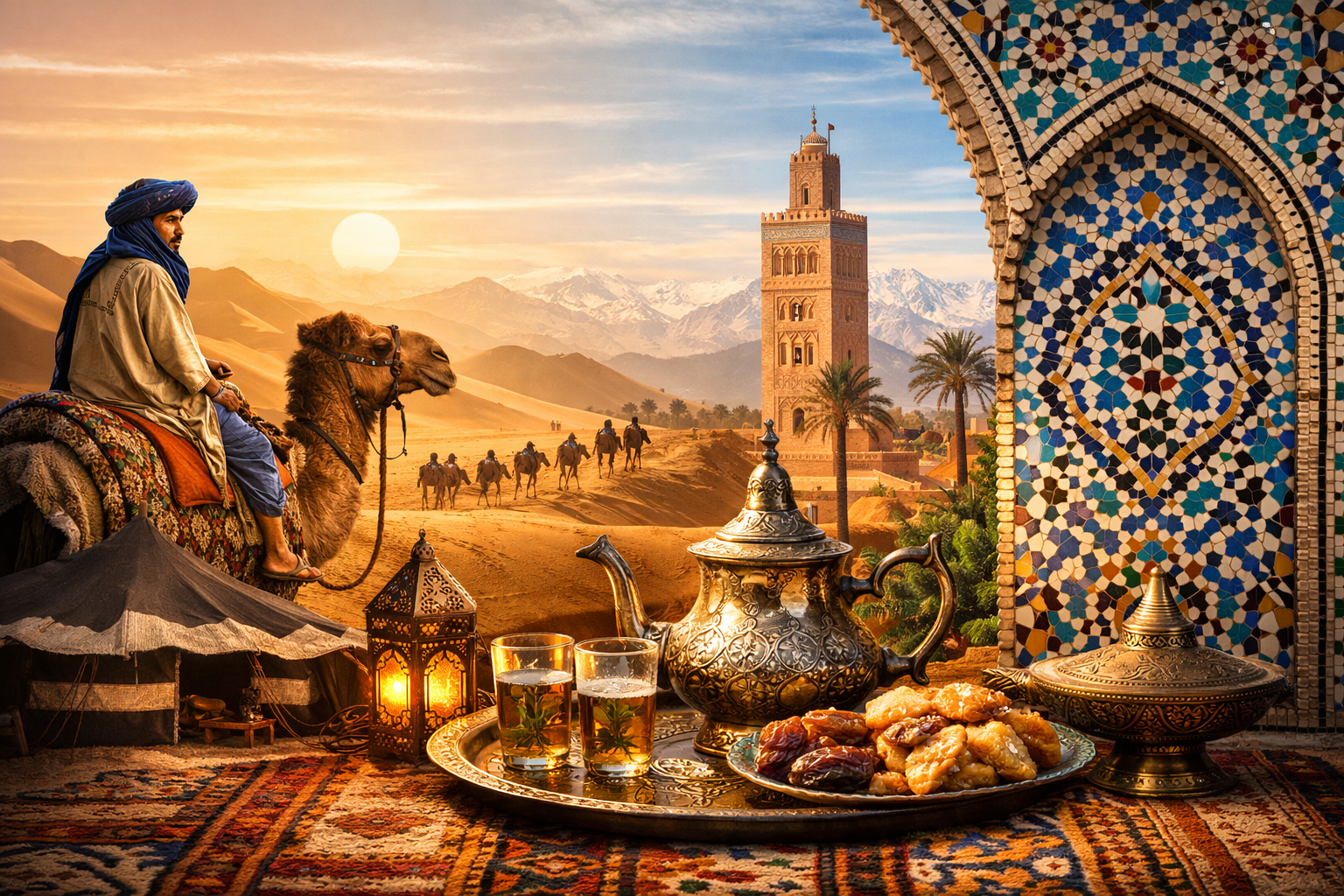
Moroccan mint tea — known locally as atay and affectionately nicknamed “Moroccan whiskey” — is far more than a beverage. It is a cornerstone of Moroccan culture, hospitality, and social life — offered to every guest as the first and most important gesture of welcome.
The traditional preparation combines Chinese gunpowder green tea, fresh locally grown spearmint, and sugar cubes, brewed in ornate silver or brass teapots and poured from a significant height to create a gentle, aromatic foam. The ritual is served in three glasses — each with its own symbolic meaning in Berber tradition:
- First glass — bitter like life
- Second glass — sweet like love
- Third glass — gentle like death
Refusing mint tea is considered impolite — it represents your host’s heartfelt desire to share their culture with you. Embracing this simple ceremony is one of the most meaningful ways to connect with Moroccan people and their extraordinary tradition of generosity. To explore the deeper meaning of this beautiful tradition, read our guide to Moroccan tea culture.
7. Discovering Morocco’s Four Imperial Cities
Morocco’s four imperial cities — Marrakech, Fez, Meknes, and Rabat — are the country’s greatest historical treasures, each offering a completely distinct and fascinating window into Moroccan royal heritage, architecture, and culture.
Marrakech — The Red City
Morocco’s most visited city captivates with its distinctive terracotta buildings, legendary Djemaa el-Fna square, labyrinthine souks, the stunning Bahia Palace, the peaceful Majorelle Garden, and the iconic Koutoubia Mosque. Day trips from Marrakech to the Agafay Desert, Ourika Valley, and High Atlas Mountains are among Morocco’s most popular experiences.
Fez — Morocco’s Spiritual Heart
Fes el-Bali is a UNESCO World Heritage Site and the world’s largest car-free urban area — 9,000 narrow alleyways where donkeys transport goods and medieval life continues unchanged. The famous Chouara Tannery demonstrates leather-making methods unchanged since medieval times. The University of Al Quaraouiyine — founded in 859 AD — is the world’s oldest continuously operating university.
Meknes — Morocco’s Versailles
Built by Sultan Moulay Ismail in the 17th century as his magnificent capital, Meknes offers a more relaxed imperial experience with grand ceremonial gates, royal granaries, and the ornate Moulay Ismail Mausoleum — less crowded than Marrakech or Fez but no less historically impressive.
Rabat — The Royal Capital
Morocco’s modern political capital balances imperial heritage with contemporary elegance. The Kasbah of the Udayas overlooks the Atlantic with its beautiful blue and white painted streets. The Hassan Tower — an unfinished 12th-century minaret — stands alongside the magnificent Mohammed V Mausoleum in stunning white marble.
8. Hiking the Atlas Mountains and Visiting Berber Villages
The High Atlas Mountains stretch across Morocco for nearly 625 miles, offering some of North Africa’s most dramatic and rewarding trekking landscapes. Jebel Toubkal — at 4,167 meters the highest peak in North Africa — can be summited in two days from the village of Imlil and is one of Africa’s most accessible and rewarding mountain adventures.
Beyond the summit, the Atlas Mountains reveal a world of extraordinary natural beauty and living Berber culture. Remote stone villages cling to cliffsides throughout the High Atlas range, where Amazigh (Berber) families maintain centuries-old customs — terraced gardens, traditional stone architecture, weekly markets, and ancient irrigation systems fed by mountain springs.
Atlas Mountain highlights:
- Ourika Valley — lush, accessible day hikes to waterfalls and traditional Berber markets
- Imlil and Toubkal — Morocco’s premier multi-day trekking destination
- Todra Gorge — towering 300-meter limestone cliffs popular with rock climbers and photographers
- Dadès Gorge — dramatic red rock formations and the legendary Valley of a Thousand Kasbahs
- Aït Ben Haddou — UNESCO World Heritage ksar and iconic film location for Gladiator and Game of Thrones
Explore our High Atlas Mountains day trip from Marrakech and our 3 Valleys tour from Marrakech for guided mountain experiences led by locally rooted Amazigh guides.
9. Relaxing with Moroccan Hammam and Wellness Rituals
Morocco’s ancient wellness traditions — rooted in centuries of Islamic bathing culture and indigenous herbal knowledge — offer some of the most restorative and transformative experiences available anywhere in the world.
The Moroccan Hammam
A hammam is a traditional steam bath ritual practiced in Morocco for over 1,000 years. You move through a series of heated marble rooms, each progressively warmer, as eucalyptus-infused steam opens your pores and softens dead skin. An attendant scrubs your entire body with a kessa glove — a rough woven mitt that removes layers of dead skin and dramatically improves circulation. The experience concludes with cool water rinses, deep relaxation, and skin that feels extraordinarily soft and renewed.
Traditional hammams can be found in every Moroccan city — from basic neighborhood baths to luxury hotel spa versions in Marrakech and Fez.
Traditional Black Soap Treatment
Savon beldi (black soap) is a paste-like olive oil cleanser containing high levels of vitamin E and antioxidants. Applied to damp skin before hammam treatment, it deeply moisturizes while preparing the skin for exfoliation. When activated by steam heat, its cleansing properties are extraordinarily effective — leaving skin supple, clean, and deeply nourished.
Argan Oil Massage
Argan oil — produced exclusively from trees in southwestern Morocco — is one of the rarest and most prized beauty oils in the world. Rich in omega fatty acids, vitamin E, and antioxidants, warm argan oil massages typically last 60 to 90 minutes, deeply hydrating and restoring skin damaged by sun and wind. Authentic argan oil massage experiences are most readily available in Essaouira and Marrakech.
10. Shopping for Unique Handcrafted Moroccan Goods
Morocco’s medinas and souks overflow with some of the finest handcrafted goods in the world — produced using traditional techniques passed down through generations of skilled artisans. Shopping in Morocco is not merely a transaction — it is a cultural immersion and an opportunity to bring home genuinely meaningful pieces of Moroccan heritage.
Must-Buy Moroccan Crafts and Souvenirs
Leather goods — Morocco’s most celebrated craft. The famous Chouara Tannery in Fez produces traditional leather using methods unchanged for centuries. Look for babouche slippers (50–80 MAD), leather poufs (150–350 MAD), and handstitched bags and purses (100–500 MAD).
Berber rugs and carpets — Hand-woven with intricate tribal patterns unique to each region. Prices start from 1,000 MAD for authentic handmade pieces.
Argan oil products — Culinary and cosmetic argan oil, rosewater, and black soap make exceptional and genuinely Moroccan gifts.
Moroccan spices — Ras El Hanout, saffron, cumin, dried rose petals, and aromatic spice blends sold loose by weight in every souk.
Zellige pottery and tagine pots — Hand-painted ceramics in the distinctive blue of Fez or the earthy tones of Safi.
Silver jewelry — Morocco is Africa’s leading silver producer, keeping prices competitive and quality high.
Pro tip: Always bargain respectfully — start at 50% of the asking price. In fixed-price cooperatives and artisan workshops, prices are set and negotiation is not expected.
Practical Morocco Travel Tips
Best Time to Visit Morocco
The best time to visit Morocco is during spring (March to May) and autumn (September to October) when temperatures are comfortable across all regions. Summer brings extreme heat exceeding 40°C in inland cities. Winter offers mild days but cold desert and mountain nights. Read our complete Morocco travel tips guide for detailed seasonal planning advice.
What to Wear in Morocco
Morocco is a predominantly Muslim country and modest dress is both respectful and appreciated. Women should cover shoulders and knees in medinas and villages. Men should wear long trousers in traditional areas. Lightweight scarves are versatile essentials for both sun protection and cultural respect. For a complete clothing guide, read our what to wear in Morocco article.
Morocco Travel Budget
Morocco is an affordable destination compared to most European countries:
| Travel Style | Daily Budget |
|---|---|
| Budget | 30–50 USD |
| Mid-range | 70–120 USD |
| Luxury | 200 USD+ |
The Moroccan Dirham (MAD) is the local currency — approximately 10 MAD equals 1 USD. ATMs are widely available in cities. Always carry cash for souks, smaller restaurants, and tips.
Is Morocco Safe for Tourists?
Morocco is generally a safe destination for tourists. Petty theft and tourist scams occur in crowded markets — use a money belt, avoid displaying expensive items, and book guides through reputable licensed companies. Emergency numbers: 190 (Police) / 150 (Ambulance).
Visa Requirements
Citizens of the USA, Canada, UK, EU, Australia, and many other countries do not require a visa for stays up to 90 days. Your passport must be valid for at least 6 months from your date of entry.
Frequently Asked Questions — What Is Morocco Known For?
What is Morocco most famous for? Morocco is most famous for its Sahara Desert camel treks, ancient imperial cities (Marrakech, Fez, Meknes, and Rabat), UNESCO-listed medinas, traditional Berber culture, extraordinary cuisine, and the warm hospitality of its people.
What are the most iconic Moroccan dishes? The most iconic Moroccan dishes are tagine (slow-cooked spiced stew in a clay pot), couscous (traditionally served on Fridays), pastilla (sweet and savory phyllo pastry), and harira soup. Mint tea is Morocco’s national drink and an essential cultural experience.
What is the best Morocco experience for first-time visitors? For first-time visitors, a 3-day desert tour from Marrakech to Fez via Merzouga is the most popular and rewarding itinerary — combining imperial city exploration, High Atlas mountain scenery, and a magical night in a Berber desert camp under the stars. View our 3-day Marrakech to Fez desert tour.
What is a Moroccan hammam? A hammam is a traditional Moroccan steam bath ritual practiced for over 1,000 years. It involves heated marble rooms, eucalyptus steam, and an exfoliating scrub treatment using a kessa glove and savon beldi (black soap) — leaving skin extraordinarily clean, soft, and renewed.
What should I buy in Morocco’s souks? The best things to buy in Morocco’s souks include leather babouche slippers, handwoven Berber rugs, argan oil products, Moroccan spices, zellige pottery, silver jewelry, handmade lanterns, and traditional tagine pots.
How do I get the most out of visiting a Moroccan medina? Book a licensed local guide for your first medina visit — they navigate the maze-like streets, explain the history of each neighborhood, help you find the best artisan workshops, and assist with respectful bargaining. Our Morocco private tours include expert guided medina experiences in all major cities.