
Erg Chigaga Desert Guide 2026 | Morocco’s Most Remote Sahara Dunes
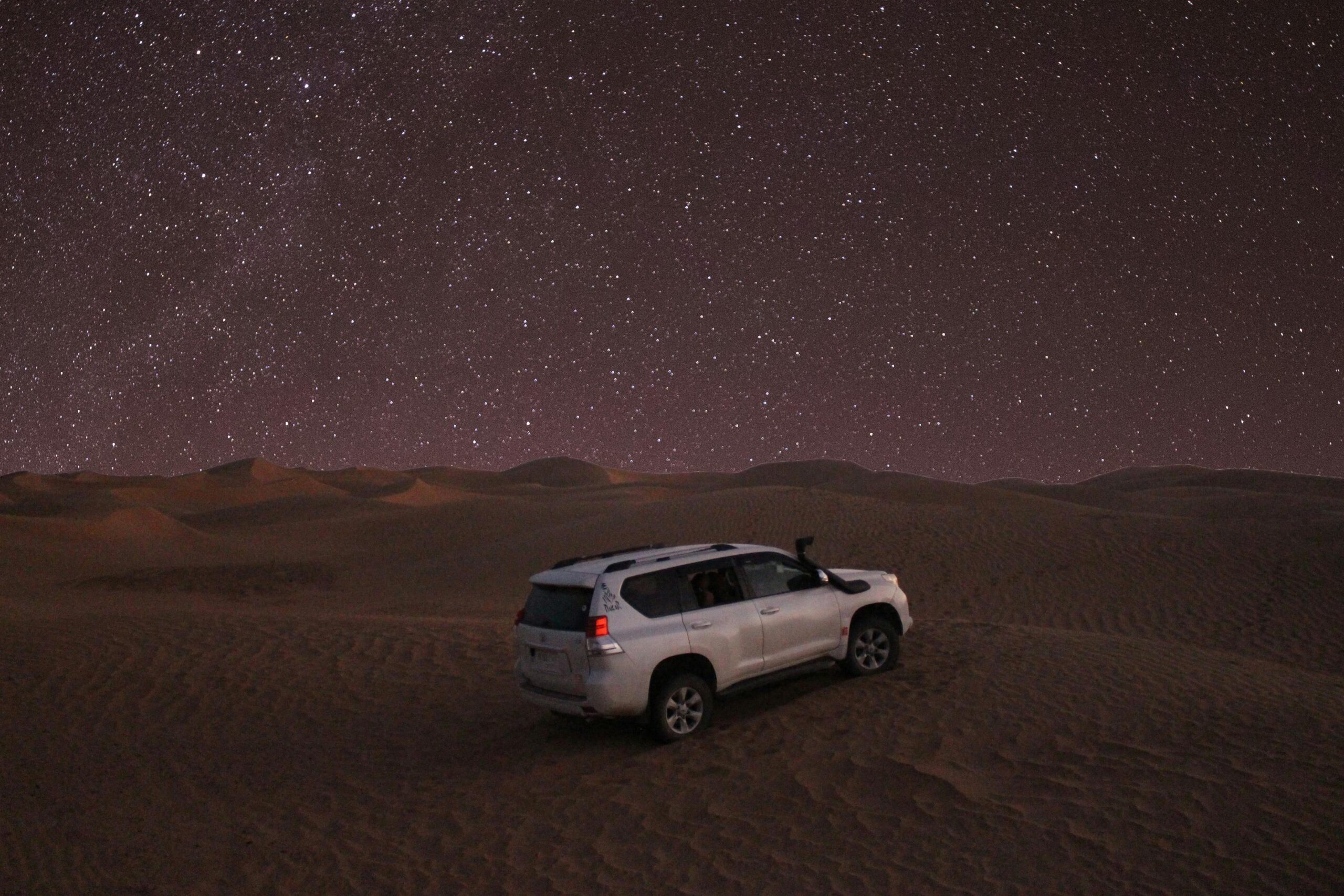
Looking for an authentic Sahara desert experience far from the crowds? Deep in southern Morocco lies one of North Africa’s most breathtaking and least visited wilderness areas — Erg Chigaga, Morocco’s largest sand sea. With towering golden dunes reaching up to 300 meters high, pristine starlit skies, and the profound silence of the deep Sahara, Erg Chigaga offers an extraordinary desert adventure for travelers willing to make the journey.
Unlike the more famous Erg Chebbi dunes near Merzouga, Erg Chigaga remains beautifully untouched by mass tourism — delivering a raw, immersive, and deeply authentic Saharan experience that stays with you long after you return home. This complete Erg Chigaga travel guide covers everything you need to know — from how to get there and when to visit, to the best activities, desert camps, and nearby attractions.
What Is Erg Chigaga? Morocco’s Largest Sand Sea
Erg Chigaga is Morocco’s largest sand dune sea, stretching approximately 35 kilometers by 15 kilometers across remote Saharan terrain in the far south of the country. Located around 45 to 60 kilometers west of M’Hamid El Ghizlane — the last town before the deep desert — and approximately 300 kilometers from Marrakech, this extraordinary dune field sits within the boundaries of Iriqui National Park.
The name “Chigaga” has Berber origins, reflecting the deep and ancient relationship between the region’s indigenous Amazigh (Berber) nomadic peoples and this remarkable desert landscape — used for centuries as a navigation landmark and seasonal grazing ground. To learn more about Berber culture and traditions, read our complete guide to Berber culture in Morocco.
Erg Chigaga vs Erg Chebbi — Which Sahara Desert Should You Visit?
This is the most common question travelers ask when planning a Morocco desert tour. Here is a clear comparison to help you decide:
| Erg Chigaga | Erg Chebbi (Merzouga) | |
|---|---|---|
| Size | 35km × 15km — Morocco’s largest | 13 miles long |
| Dune Height | Up to 300 meters | Up to 150 meters |
| Distance from Marrakech | ~300 km | ~550 km |
| Accessibility | 4WD required — 2 to 3 hours off-road from M’Hamid | Accessible by regular car |
| Tourism Level | Remote & uncrowded | Well-developed tourist infrastructure |
| Best For | Adventure travelers, solitude seekers | First-time desert visitors, luxury camps |
| Atmosphere | Wild, pristine, untouched | Bustling, developed, convenient |
Choose Erg Chigaga if you want genuine wilderness, zero crowds, and an off-grid Saharan adventure. Choose Erg Chebbi if you prefer convenient access, established luxury camps, and organized group tours. Read our guide to Erg Chebbi and the Merzouga desert for more.
Geography and Landscape of Erg Chigaga
Erg Chigaga formed over thousands of years through wind-driven sand accumulation in a natural basin between rocky desert outcrops. Prevailing trade winds carried sand particles from surrounding mountain ranges, gradually depositing them to create this extraordinary inland sand sea.
The landscape varies dramatically across the dune field — from vast golden sand mountains reaching up to 300 meters in height to lower undulating dunes, ancient dried riverbeds, rocky desert plateaux, and scattered palm grove oases near underground water sources. Dry wadis (seasonal riverbeds) cut through the plains, adding depth and texture to an already dramatic terrain.
The result is a landscape of breathtaking scale and variety — and one of the most photogenic natural environments in all of North Africa.
Wildlife and Ecosystem of Erg Chigaga
Despite its harsh conditions, Erg Chigaga supports a surprisingly diverse range of desert wildlife — most of which is active during the cooler nighttime hours to avoid the intense daytime heat. Common species you may encounter include:
- Desert foxes (Fennec fox — Vulpes zerda)
- Sand vipers and other desert reptiles
- Scarab beetles and desert ants
- Desert hedgehogs
- Migratory birds during seasonal passages
Vegetation is sparse but includes hardy drought-resistant shrubs in interdune areas and small palm groves near underground water sources. Human impact in this remote area remains minimal — helping preserve the fragile Saharan ecosystem in its most natural and pristine state.
How to Get to Erg Chigaga from Marrakech
Reaching Erg Chigaga requires planning and commitment — but the journey itself is one of the most spectacular drives in Morocco.
The Route from Marrakech
| Leg | Distance | Approx. Time |
|---|---|---|
| Marrakech → Ouarzazate | ~200 km | 4 hours |
| Ouarzazate → Zagora | ~165 km | 2 hours |
| Zagora → M’Hamid | ~100 km | 1 hour |
| M’Hamid → Erg Chigaga | ~60 km | 2 to 3 hours (4WD only) |
Total journey: approximately 6 to 9 hours from Marrakech
Key Things to Know
- A 4WD vehicle is mandatory for the final 60-kilometer stretch from M’Hamid — there are no paved roads beyond this point
- An experienced local driver is essential — GPS alone is not sufficient for navigating shifting desert terrain
- M’Hamid El Ghizlane is the last town before the desert — stock up on water, snacks, and fuel here
- Private 4WD hire from M’Hamid costs approximately 100 to 150 USD per vehicle
- A morning departure from Marrakech is strongly recommended, allowing an overnight stop in Ouarzazate and arrival at Erg Chigaga the following afternoon
Getting There with a Tour Operator
The most seamless and recommended way to reach Erg Chigaga is with an organized private Morocco desert tour. A reputable tour company handles all logistics — including air-conditioned transportation from Marrakech, scenic stopovers in the Draa Valley and Ouarzazate, experienced local drivers, and seamless transitions into your desert camp. This allows you to focus entirely on enjoying one of Morocco’s most extraordinary journeys. View our Erg Chigaga desert tours for full details.
Best Time to Visit Erg Chigaga
| Season | Temperature | Verdict |
|---|---|---|
| Spring (Mar–May) | 20°C–30°C days, cool evenings | ⭐ Excellent — ideal conditions, occasional desert blooms |
| Autumn (Oct–Nov) | 20°C–30°C days, cool nights | ⭐ Excellent — best for photography & stargazing |
| Winter (Dec–Feb) | 16°C–22°C days, very cold nights | ✅ Good — crisp skies, quiet desert, pack warm layers |
| Summer (Jun–Aug) | 40°C–45°C+ | ❌ Avoid — dangerously hot, many camps close |
The best time to visit Erg Chigaga is from October to April, when daytime temperatures are comfortable for exploration and desert nights are refreshingly cool. Spring (March to May) is particularly spectacular — warm days, pleasant evenings, and the rare possibility of brief desert blooms after seasonal rainfall.
Essential packing tips:
- Layer up — desert temperatures can swing more than 20°C between day and night
- High-SPF sunscreen and lip balm are non-negotiable year-round
- A lightweight scarf protects against wind and sand
- Closed-toe shoes for rocky terrain and camp walks
- Always carry more water than you think you will need
Desert Camp Experiences at Erg Chigaga
Luxury Glamping Camps
Erg Chigaga’s luxury desert camps offer spacious ensuite tents of up to 34 square meters with real beds, hot and cold running water, private bathrooms, electricity, and traditional Moroccan furnishings. Many feature private terraces overlooking the dunes, solar-powered lighting systems, and gourmet Moroccan dining under an infinite sky.
Traditional Berber Camps
For a more culturally immersive experience, traditional Berber-style camps emphasize authentic hospitality over resort-style luxury. These intimate camps — often operated by local nomadic families — offer woven-rug interiors, communal gathering spaces, tagines cooked over open fire, and direct access to the dunes right outside your tent.
Eco-Lodges & Private Camps
Small private camps of just two tents cater to families, couples, and small groups seeking complete desert solitude. Eco-conscious designs integrate with the natural desert environment using locally sourced materials and solar power — minimizing impact while maximizing the magic of the deep Sahara.
Evening Camp Highlights
- Campfire gatherings with live Gnawa drumming and traditional Berber music
- Exceptional stargazing in zero light-pollution skies — the Milky Way is clearly visible
- Traditional Moroccan dinners featuring tagine, couscous, fresh bread, and seasonal fruit
- Berber storytelling sessions sharing ancient desert legends and star navigation traditions
Top Activities in Erg Chigaga
Camel Trekking
The most iconic Erg Chigaga desert experience — riding across the golden dunes by camel connects you with centuries of Saharan tradition. Most camel treks depart from M’Hamid and range from short 2 to 3-hour sunset rides to multi-day nomadic expeditions lasting 3 to 5 days. Your Berber guide leads the caravan while sharing knowledge of desert navigation, local plant life, and the star formations used by nomadic peoples for centuries. Read our full guide to camel rides in Morocco for tips and what to expect.
4×4 Off-Road Excursions
The overland journey to Erg Chigaga is itself one of the great desert adventures in Morocco. Your 4×4 crosses rocky desert plateaux, ancient dried lake beds, seasonal salt flats, and remote Berber settlements — covering approximately 60 kilometers of dramatic off-road terrain. Along the way, your driver stops at fossil sites, nomad camps, and elevated viewpoints overlooking the vast sand sea.
Sandboarding
For an adrenaline rush unlike anything else, sandboarding on Erg Chigaga’s towering dunes — some reaching up to 300 meters — is absolutely exhilarating. Specially waxed boards provide smooth descents down steep sand faces, with guides on hand to provide instruction and assistance. Best experienced during the cooler early morning or late afternoon hours, sandboarding sessions typically last 1 to 2 hours and combine perfectly with a camel ride or 4×4 excursion.
Stargazing
Erg Chigaga’s extreme remoteness and complete absence of light pollution create some of the finest stargazing conditions in all of Africa. On clear nights, thousands of stars invisible from any urban area fill the sky — constellations, planets, and the full sweep of the Milky Way clearly visible to the naked eye. Camp guides share Berber legends about star formations and explain the traditional desert navigation techniques used by nomadic peoples for millennia.
Yoga, Meditation & Desert Silence
The profound silence of Erg Chigaga — broken only by the whisper of wind across the dunes — creates exceptional conditions for mindfulness, yoga, and meditation. Many camps offer organized sunrise yoga sessions on elevated dune tops, taking full advantage of this extraordinary natural sanctuary.
Berber Culture and Traditions at Erg Chigaga
Nomadic Berber Lifestyle
The indigenous Amazigh (Berber) nomadic families of the Erg Chigaga region maintain centuries-old traditions that define their daily lives. They follow seasonal migration patterns with their livestock between water sources and grazing areas, living in traditional portable khaima tents made from woven goat hair — providing protection from sandstorms and temperature extremes.
Music and Storytelling
Music is the heartbeat of Berber culture around the campfire. Traditional performances feature the bendir frame drum, darbouka goblet drum, ney flute, and ancient call-and-response songs passed down through generations. Storytelling sessions share the history, values, and desert wisdom of the Amazigh people — tales of migration, harvests, celestial navigation, and the timeless rhythms of desert life.
Moroccan Desert Cuisine
Desert cuisine in the Erg Chigaga region relies on preserved, slow-cooked, and communally shared food. Expect:
- Tagine — slow-cooked stew of meat and vegetables with aromatic spices in a clay pot
- Couscous — steamed semolina served with vegetables, meat, and broth from a shared communal plate
- Msemen — flaky layered flatbread cooked fresh on a metal griddle over open fire
- Harira — hearty lentil and tomato soup with herbs and spices
- Mechui — whole roasted lamb prepared for special celebrations and gatherings
- Mint tea — poured ceremonially from a height in three glasses, each with its own symbolic meaning
Berber Hospitality — What to Expect
Desert hospitality follows ancient cultural codes that place guest welfare above all else. Upon arrival, you will be welcomed with the traditional three-kiss greeting and offered mint tea — the first and most important gesture of welcome. Remove your shoes before entering tents, accept hospitality graciously, and sit cross-legged on the woven carpets. Sharing food creates bonds between families and visitors that transcend language and cultural barriers.
Nearby Attractions and Day Trips from Erg Chigaga
Lake Iriki and Iriqui National Park
Situated between Zagora and Erg Chigaga, the dried Lake Iriki is a vast ancient lakebed that creates an otherworldly expanse of pale earth, fossilized remains, and unique geological formations. As part of Iriqui National Park, the area supports desert wildlife including fennec foxes, hedgehogs, and seasonal migratory birds. The flat terrain creates extraordinary photography opportunities at sunrise and sunset when long shadows sweep dramatically across the ancient lake floor.
M’Hamid El Ghizlane and Surrounding Villages
M’Hamid El Ghizlane — the last Berber town before the deep Sahara — is your essential gateway to Erg Chigaga. Beyond practical supplies, M’Hamid offers traditional Berber village visits, a weekly souk selling local carpets and crafts, and the chance to experience a genuinely authentic desert community largely unchanged over centuries.
Tamegroute and the Draa Valley
The historic town of Tamegroute houses Morocco’s oldest library — a remarkable collection of ancient Islamic manuscripts dating to the 11th century, preserved in Arabic, Hebrew, and other languages. The town’s famous green pottery workshops produce distinctive ceramics using traditional firing techniques passed down through generations. The stunning Draa Valley — Morocco’s longest river valley stretching from Ouarzazate to M’Hamid — offers ancient kasbahs, lush palm grove oases, and traditional Berber villages at every turn.
Frequently Asked Questions — Erg Chigaga Desert Guide
How do you get to Erg Chigaga from Marrakech? The journey from Marrakech to Erg Chigaga covers approximately 300 kilometers and takes 6 to 9 hours including stops. The route passes through Ouarzazate, Zagora, and M’Hamid — where paved roads end. A 4WD vehicle is mandatory for the final 60-kilometer off-road stretch to the dunes. The easiest and most comfortable option is booking a private guided tour that handles all transportation logistics from Marrakech. View our Erg Chigaga desert tours for full details.
What accommodation is available at Erg Chigaga? Accommodation ranges from luxury glamping tents with ensuite bathrooms and real beds to traditional Berber nomadic-style camps and small private camps for couples and families. Most camps offer authentic Moroccan meals, campfire evenings, and guided activities. Solar-powered lighting and eco-conscious designs are common given the remote location.
What is the best time to visit Erg Chigaga? The best time to visit Erg Chigaga is from October to April, when daytime temperatures are comfortable (20°C to 30°C) and nights are cool and clear. Summer months (June to August) bring extreme heat exceeding 45°C and should be avoided entirely.
How does Erg Chigaga compare to Erg Chebbi near Merzouga? Erg Chigaga is larger, more remote, and far less developed for tourism than Erg Chebbi. It offers a more authentic and solitary Saharan experience but requires a 4WD and more travel time. Erg Chebbi is easier to reach, more developed, and better suited to first-time desert visitors. Read our complete Erg Chebbi desert guide for a full comparison.
What activities are available at Erg Chigaga? Activities include sunset and sunrise camel treks, 4×4 off-road excursions, sandboarding on towering dunes, exceptional stargazing, visits to nomadic Berber families, traditional music evenings, yoga and meditation sessions, and wildlife spotting. Most activities are organized through your desert camp or tour operator.
Is Erg Chigaga suitable for families with children? Yes — with the right planning and a reputable tour operator, Erg Chigaga is suitable for adventurous families. Choose camps with family-friendly facilities, schedule activities during cooler morning and late afternoon hours, and ensure your transport includes a reliable 4WD with an experienced local driver.